Ekster Wallet Feels Thick: Is That Just How Pop-Up Wallets Are?
If you’re in the market for a minimalist wallet, chances are you’ve come across Ekster — a premium brand famous for its slick pop-up card mechanism. But if you’ve ever handled one, you might have noticed something: Ekster wallets often feel thick, even compared to other slim wallets. Is that just the price of having that fancy pop-up access? Or are there slimmer options out there that still pack similar features?
In this post, we’ll unpack why the Ekster feels thick perception is common among pop-up wallets, how that compares to other brands like Ridge Wallet and Trayvax, and why wallet bulk still matters if you want true minimalist carry comfort. We’ll also break down RFID blocking realities, card access mechanisms, and materials used — because minimalist wallets aren’t just about looking sleek; their function and wearability define true pocket comfort.
Before we dive in, if you love nerdy tech reviews, consider signing up for the Techpoint Digest newsletter for deep dives and gear breakdowns delivered weekly right to your inbox.
Why Does the Ekster Wallet Feel Thick?
The Ekster wallet gained popularity due to its pop-up card mechanism — press a button, and your cards slide out in a neat, stacked organizer. While that’s undeniably cool and efficient, the tradeoff is a chunkier build compared to some ultra-thin wallets.
This thickness mainly comes from the internal mechanical components and the dual-layer design: a rigid metal frame supports the card stack and pop-up track, complemented by a leather or synthetic outer shell. If you’re like me and often wear tight jeans, this thickness becomes noticeable and sometimes uncomfortable. I also carry my wallet in the front pocket, and Ekster’s bulk sometimes pokes uncomfortably or makes accessing your phone awkward.
In terms of raw dimensions, Ekster wallets vary by model but generally fall around the 12-15mm thickness mark loaded with cards — thicker than many minimalist wallets that focus on flat card sleeves or simple bi-fold leather.
Pop-up Mechanism Bulk: A Necessary Evil?
Pop-up wallets like Ekster inevitably require more internal space for their mechanisms:
- Sliding tracks: The cards need to move linearly or fan out, necessitating rails or tracks inside.
- Spring/button system: To provide that satisfying pop-up action, springs, buttons, or sliders add to wallet depth.
- Protection layer: Since cards shift in and out, the wallet uses sturdy sidewalls or casing for durability, adding more weight and size.
Many users accept this bulk for quick card access and secure card storage, but it’s a design tradeoff opposite minimalist pockets where every millimeter counts.
How Ekster Compares to Ridge Wallet and Trayvax Models
If you want minimalist wallet thickness but still want functionality and durability, Ridge Wallet and Trayvax are often in the same conversation as Ekster — but with notable differences.
Brand & Model Card Access Mechanism Materials Typical Thickness Loaded Price Range (USD) Remarks Ekster Pop-up slide button Aluminum + Leather or DTEX (synthetic) 12-15mm $80-$110 Pop-up bulk, quick access, RFID blocking Ridge Wallet (Anodized Aluminum) Stack with pull strap or elastic bands Aluminum, Titanium, Carbon Fiber 8-10mm From $95 Very slim, durable, RFID blocking standard Trayvax Original 2.0 Stack with elastic cord pull Stainless steel, leather inserts 10-13mm $90-$120 Rugged, does not fold; some bulk with cards Trayvax Element Stack with pull strap Stainless steel, leather 8-11mm ~$85 Slimmer than Original, minimalist Trayvax Contour Fan-style pull strap access Steel + leather 9-12mm ~$100 Organized card fanning Trayvax Venture Billfold Traditional bi-fold with card pockets Leather, stainless steel spine ~12mm $110-$130 More traditional wallet feel Trayvax Armored Summit Stack with pull strap Steel + leather 11-14mm ~$120 Heavy-duty, rugged, more bulkAs you can see, Ridge Wallet typically offers a slimmer profile with a simpler card stacking mechanism secured by a pull strap or elastic bands. This avoids mechanical complexity but lacks instant pop-up action.
Trayvax offers industrial design enthusiasts various options from rugged to more traditional. Their card access mechanisms tend toward the pull strap or fan style and generally balance thickness with durability and outdoor-ready construction.
Minimalist Carry and Pocket Comfort: What Actually Matters?
Minimal wallets often market thinness, but if you carry wallets in tight front pockets like me, I count how often a wallet needs two hands to access cards or just to get out of the pocket without discomfort. Having a wallet that fits comfortably in your pocket without poking or bulging is key. For many, >10mm thickness loaded is borderline uncomfortable in slim jeans or chinos.
Personally, I keep one “annoying” thick receipt in my wallet as a stress test. If a wallet can carry that extra paper without ballooning dramatically or bending, it’s usually a durable design. Ekster wallets do just fine on this front, but you will feel that thickness more than, say, the Ridge Wallet's slim aluminum chassis.
Also, sharp edges get me every time. Pocket knives and blades often get dull with thick wallets. The Ekster’s rounded leather edges soften the feel, while the metal frame’s edges are well-finished but still noticeable.
RFID Blocking: What It Actually Does (And Doesn’t)
Wallet brands love to tout RFID blocking as a must-have feature, making it sound like magic armor against digital thieves. The truth? RFID skimming is real but rare for most cardholders in daily life. It works by blocking the radio waves that might activate your credit cards' chip or RFID tag, preventing unauthorized scans.

Ekster, Ridge Wallet, and Trayvax wallets incorporate RFID-blocking metal layers (usually aluminum or steel) or leather lined with shielding fabrics. This can prevent most casual RFID scanning attempts.
However, having RFID blocking doesn't justify bulk on its own — many ultra-thin wallets without rigid metal frames include fabrics or embedded layers to block RFID while staying slim. So look at this feature as "extra peace of mind," not an absolute necessity if you don’t regularly visit crowded transit systems or high-risk areas.
Card Access Mechanisms Explained
The way you pull your cards out can affect both how thick the wallet feels and how fast you can grab your card. Here are the major mechanisms:
- Stack (Push or Pull strap) – Cards are stacked neatly and pulled out with a strap or elastic band. Seen on Ridge, Trayvax Original, and Element.
- Pop-Up Slide Button – Ekster’s signature mechanism where pressing a button slides the cards out in a fan.
- Fan-style – Cards spread out in a fanned layout pulled by a strap, as on Trayvax Contour.
- Pull tab/lanyard – Some wallets integrate a tab to simplify card access while keeping a compact stack.
Pop-up wallets like Ekster feel thicker because of the rails and button system inside. Fan-style wallets balance quick access and slimness but can be bulky depending on materials. Stack wallets secured by strap are typically the thinnest.
Materials and Durability: The Backbone of Minimal Wallets
The material choice impacts weight, thickness, feel, and durability:
- Aluminum: Lightweight and strong; seen in Ridge Wallet's anodized aluminum models (starting from $95). It offers excellent rigidity and RFID blocking but can show scratches over time.
- Titanium: More expensive but tougher and more scratch-resistant than aluminum, also lighter by volume.
- Carbon Fiber: Stylish and very light with a textured finish, popular in premium Ridge models.
- Leather: The classic wallet veneer; adds softness, stretches slightly, but can absorb wear and patina; used extensively in Ekster and Trayvax for outer layers.
- DTEX (Technical Fabric): Ekster also offers synthetic options like DTEX for water resistance and durability without bulk.
Your choice of material impacts the wallet's feel in your pocket and how it wears over time. For example, I personally avoid very hard-edged metal wallets for tight jeans and prefer ones where the edges are softened by leather or fabric.
Final Thoughts: Is the Ekster Wallet’s Thickness Worth It?
To sum it up:
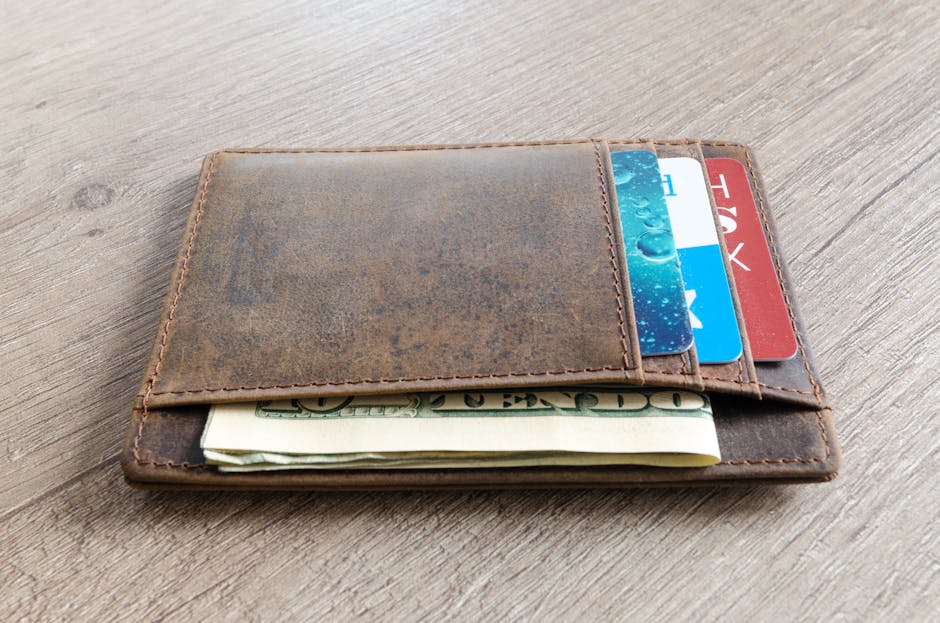
- Ekster wallets feel thick because of their unique pop-up card mechanism and dual-layer design — this is a deliberate tradeoff between fast access and minimal thickness.
- If you prioritize ultra-slim minimalist carry and pocket comfort, brands like Ridge Wallet (Anodized Aluminum from $95) or certain Trayvax models (Original 2.0, Element) provide slimmer alternatives without a pop-up, relying on pull straps or elastic bands.
- RFID blocking is standard on these wallets but shouldn’t be the sole reason to buy; consider it a bonus rather than magic protection.
- Card access mechanisms vary and affect thickness; pop-up is visually cooler but adds bulk.
- Choose materials carefully if you value pocket comfort: metals for durability, leather or DTEX for comfort and style.
If you want that wow factor and don’t mind extra thickness, Ekster remains a great choice. But if you’re sensitive to wallet bulk or carry in snug jeans, definitely test how full it feels before ordering. For daily minimal carry, sometimes https://techpoint.africa/guide/best-ridge-wallet-alternatives less is more, and simpler stacking wallets win on total thickness and pocket comfort.
And if you want to stay on top of the latest in tech, wallets, and EDC gear, why not sign up for the Techpoint Digest newsletter? I promise no punchy spam, just real tests and honest comparisons.
PS: If you ever want to see how thick your wallet really feels, hold that annoying thick receipt you never throw out — if it still fits comfortably, you’ve got a winner!